Founder Aura
Your Brand’s Most Overlooked SEO Asset

A corporate blog full of articles claiming expertise will struggle to beat a founder’s point of view. When a brand has no clear voice, the content is easy to clock as generic. Sometimes it is overly optimized. Sometimes it reads like filler. Either way, it falls flat.
In 2026, keywords still matter, but they’re not carrying results the way they used to. As AI-powered search tools summarize the web, the content that keeps getting surfaced usually has something extra. A clear point of view and specific details that prove a real person shaped the work. Google has also talked more openly about rewarding original information gain and people-first signals tied to credibility, often summarized as E-E-A-T.
That’s where the Aura comes in. The Aura is the distinct perspective only the founder can bring, shown through standards, taste, and lived experience. It’s no longer marketing fluff, but instead an SEO asset because it’s hard to copy, and easy to recognize.
How Entity Recognition Actually Works
We used to rely heavily on traditional SEO, where ranking involved cramming keywords into meta tags, then tweaking alt text. If the content was good enough, we were in the money. That has changed. Being a recognized entity with topical authority often matters more than keyword density alone.
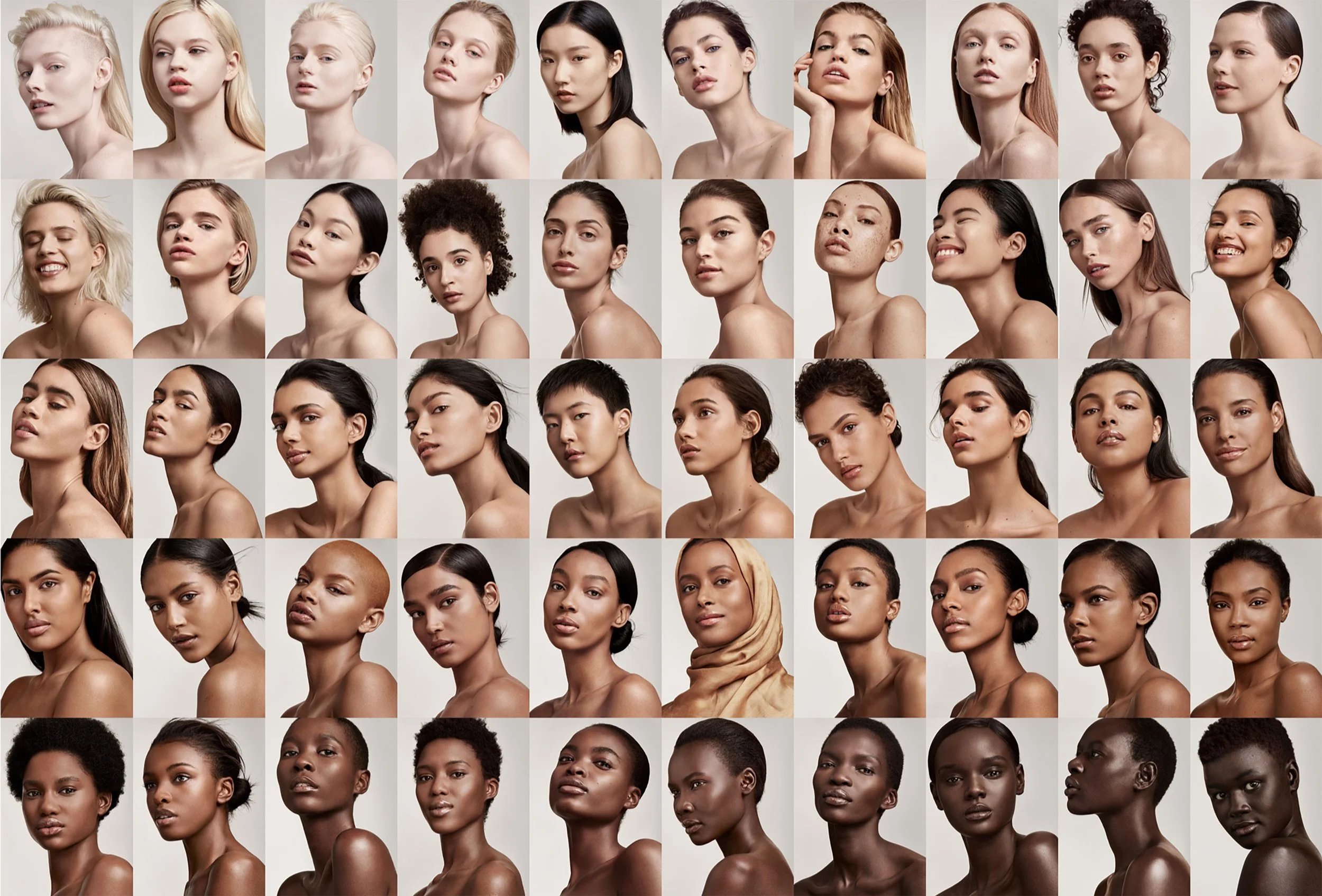
Fenty Beauty inclusive advertising campaign representing Radical Inclusivity - a key element of Rihanna’s entity-based marketing
Entity-based SEO focuses on context. If your page is about sunglasses, repeating the word “sunglasses” throughout the page won’t help much. What helps is meaning. “Ophthalmologist-approved” creates context. “Malibu-style” creates context. Those kinds of specifics tell search what you mean, not just what word you used.
When a founder participates in the creative process, their quirks naturally show up in the content. These aren’t throwaway details; they’re signals. Search systems notice distinctive phrasing, a consistent point of view, or a specific standard. Over time, those become attributes linked to you. AI can summarize what’s already out there to pump out content, but a founder’s lived experience creates original material that gives the machine something clearer to connect.
Trust Has Shifted Toward People
According to the 2026 Edelman Trust Barometer, we’ve entered an era of insularity. Worldwide, many people are more hesitant to trust anyone who doesn’t share their values or background. When trust tightens like this, people stop looking for generic answers and start looking for humans they can believe.
We’re also seeing more skepticism toward large institutions. At the same time, people say they trust “their” CEO more than a distant executive they never hear from directly. The result is a move toward smaller circles of trust. More newsletters and private feeds. More spaces where the voices feel personal, not corporate.
In a world of private bubbles, your Aura is what gets you the invite. When you show up as a real person, you don’t read like another company trying to slip in and sell something. You read like a familiar face who already speaks the language of the room.
When the Association Sticks
Founder aura can live in a phrase people repeat, or in a world the brand keeps returning to. Either way, it gives people something clear to attach to the name.

Hailey Bieber’s signature “Donut glazed skin”
The Rhode Effect (Hailey Bieber)
Rhode made over $212 million in sales in under three years, and a big part of the brand’s visibility is how tightly it’s tied to its founder’s signature language. Hailey Bieber repeated “glazed donut skin” so consistently that it became a recognizable association in the search ecosystem. Her own phrasing made the aesthetic sticky, and her visibility inside product development made it credible.
She has said she’s involved in every step of product development, including testing multiple versions before approving a final formula. When a founder is that close to the product, a signature phrase like “glazed donut skin” doesn’t feel like a tagline, but instead feels like a standard. AI can describe a moisturizer, but it can’t recreate the proof that comes from a founder testing and choosing what ships out.
The Jacquemus Blueprint (Simon Porte Jacquemus)
Simon Porte Jacquemus leans so heavily into memories of his mother and growing up in Provence that his personal fingerprints are all over the brand. He’s not just marketing a French lifestyle, but instead is sharing his history, and it reads as real. His runway shows often pull from his roots, including the 2020 show in the Valensole lavender fields and the 2022 show in Camargue surrounded by giant salt piles. His storefronts feel like you’re walking into a home, and his brand presence stays personal because he still shares his Instagram account with the brand, mixing runway moments with parts of his real life.

Jacquemus’ Le Coup de Soleil show amongst brilliant lavender fields

Jacquemus’ Fall/Winter fashion show entitled Le Papier at salt marshes of Aigues-Mortes in southern France
When choices like these stay consistent, they stop feeling like one-off moments and become the brand’s identity. That’s why search can connect Jacquemus to a specific world rooted in place and story, not just generic phrases like “French summer fashion.”
The brand reportedly reached about €270 million to €280 million in revenue in 2023. That kind of growth is impressive on its own, but the bigger lesson here is about recognition. The Aura gives people a clear hook, and it gives the internet something stable to connect back to the brand.
How to Build Founder Aura
This sounds like a big concept, but the starting point is simple. Get clear on what you stand for and what you want to be known for.
Share your origin story in a way that connects directly to the problem you set out to solve. Make the “why” behind your brand visible. If money was the only reason you started your business, this part will be more difficult to express. If your business is rooted in a real problem you lived through, the story usually comes out naturally.
Show your standards in public. You don’t have to overshare. Just be clear about your decisions. Let people see what you care about and what you won’t compromise on.
Let people see the process when something goes wrong, or when feedback forces an adjustment. Transparency builds trust because people can see you respond in real time. It also makes your content harder to copy because it’s tied to real decisions.
Commit to showing up in a consistent place. LinkedIn works well for founder voice. Podcasts work too, if your audience is there. Pick one and stick with it long enough for your voice to become familiar.
The Founder Wins on Trust
Personal branding doesn’t have to feel like a social media chore. Think of your Aura as a business asset that strengthens visibility over time. While AI can win the volume game, in the end, the founder wins the trust game.
You want your Aura to be so clear that people recognize your voice before they even see your logo. Step out from behind the branding. Start sharing your point of view consistently and let people meet the person behind the product.
Sources
https://www.thecut.com/article/hailey-bieber-baby-jack-blues-glazed-doughnut-skin.html
https://youtu.be/TCHiC2c6ZHM?si=MOEW-8-y12XK0xMI
https://www.elledecor.com/life-culture/a62628455/jacquemus-nyc-boutique/
https://www.businessoffashion.com/articles/professional/jacquemus-is-seeking-a-minority-investor/
https://digitaloft.co.uk/information-gain-in-seo/
https://developers.google.com/search/blog/2023/02/google-search-and-ai-content
https://patents.google.com/patent/US12013887B2/en
https://developers.google.com/search/docs/fundamentals/creating-helpful-content