Marketing Shouldn’t Look Like Marketing Anymore
Why Trust and Presence Matter in 2026
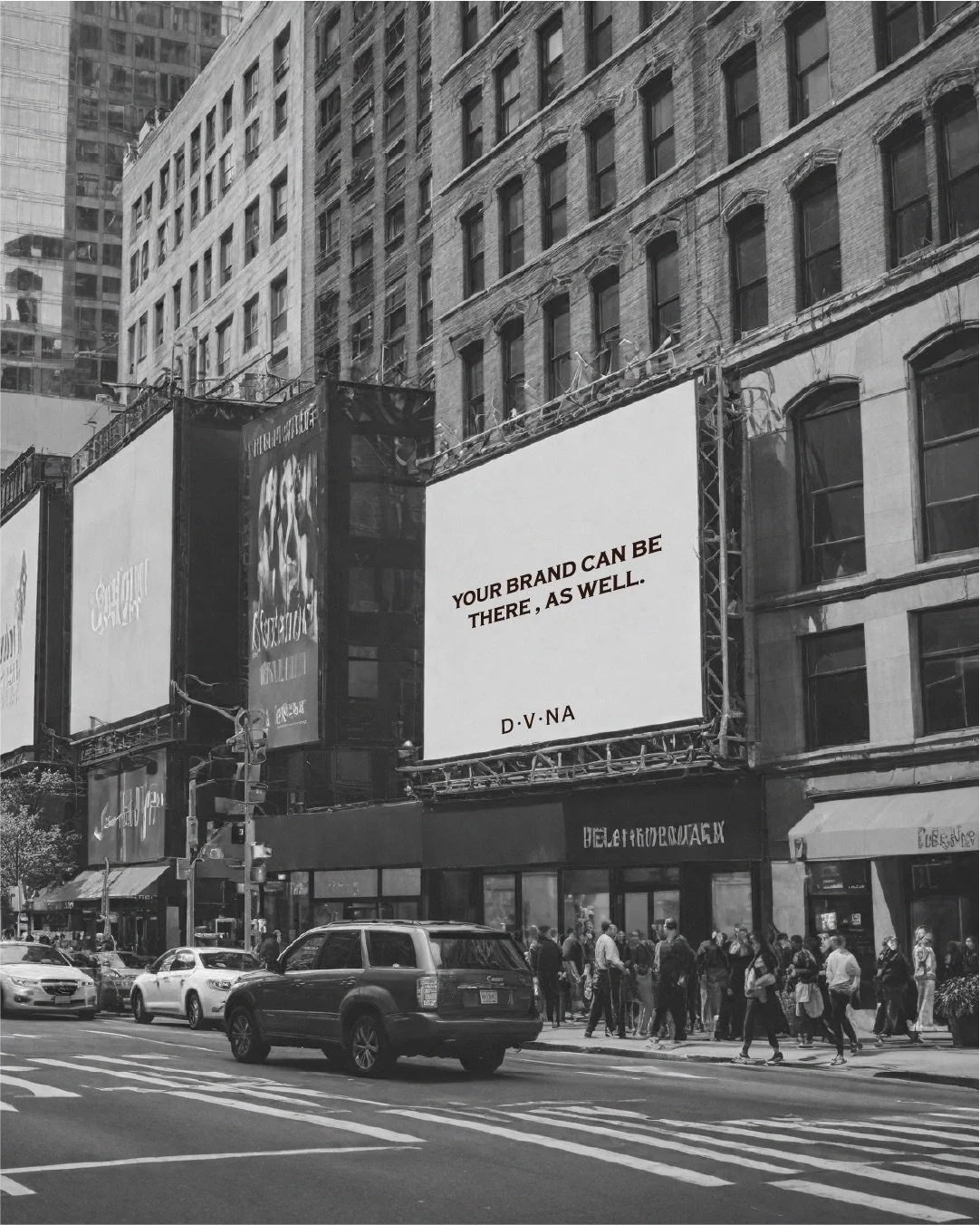
POV: You open an app, see a post that looks a little too perfect and a little too scripted, and instantly scroll past. You don’t even think about it. Unfortunately, it’s become a daily occurrence in the digital age.
As communication expert Audra Nuru recently noted, “When everything starts to sound polished and predictable, we lose the small markers that make communication feel human.” That’s exactly why so many people have felt a quiet annoyance while scrolling past brand content lately. Where is the individuality? In 2026, those “small markers” — the quirks, the raw insights, the genuinely useful tips — are the only things consistently earning attention.
We’ve noticed that the more your marketing looks like marketing, the less your audience hears you. The brands getting it right aren’t the ones with the biggest budgets. They’re the ones showing up as decision partners who prioritize usefulness over promotion.
We’ve already talked about the rise of AI slop — that wave of generic, low-effort content clogging our feeds. But even when content is human-made, there’s another trap brands fall into: the polish trap. You can write every word yourself and still lose your audience if you’re following a “marketing script” that feels safe.
The Trust Crisis: Why Polished Content Feels Inauthentic
The last thing audiences want right now is picture-perfect content. They want real. High production value often signals a corporate agenda rather than genuine quality. This doesn’t mean you should throw out your marketing budget for the year. It just means you don’t need to overdo the theatrics.
Trust is the real currency in modern brand strategy. Research shows that 81% of consumers need to trust a brand before considering a purchase, and that trust is built through authenticity. People want to see real people, especially the people behind the brands they’re supporting. When content feels too polished, it creates distance instead of connection.
Participation vs. Promotion: The New ROI of Community-Led Marketing
When brands hear “be authentic,” many immediately jump to trend participation and assume that’s enough. It isn’t. Audiences can tell when a brand is trying to be cool instead of genuinely present. It’s the digital equivalent of using slang you don’t understand — well intentioned, but cringey.
Instead of trendjacking, brands need to focus on participation.
The brands winning right now are building niche communities where people feel seen and valued. In fact, 84% of consumers across age groups say they need to share values with a brand before buying from it. Community-led marketing is one of the most effective ways to make those values visible.
Itzy Ritzy hosts weekly coffee chats to connect with moms and create a space for conversation alongside shopping. Lulalu features a “Lulalu Lady” each month, spotlighting real stories from their community. These brands aren’t shouting promotions. They’re inviting people into a shared space. That’s the difference between participation and promotion.
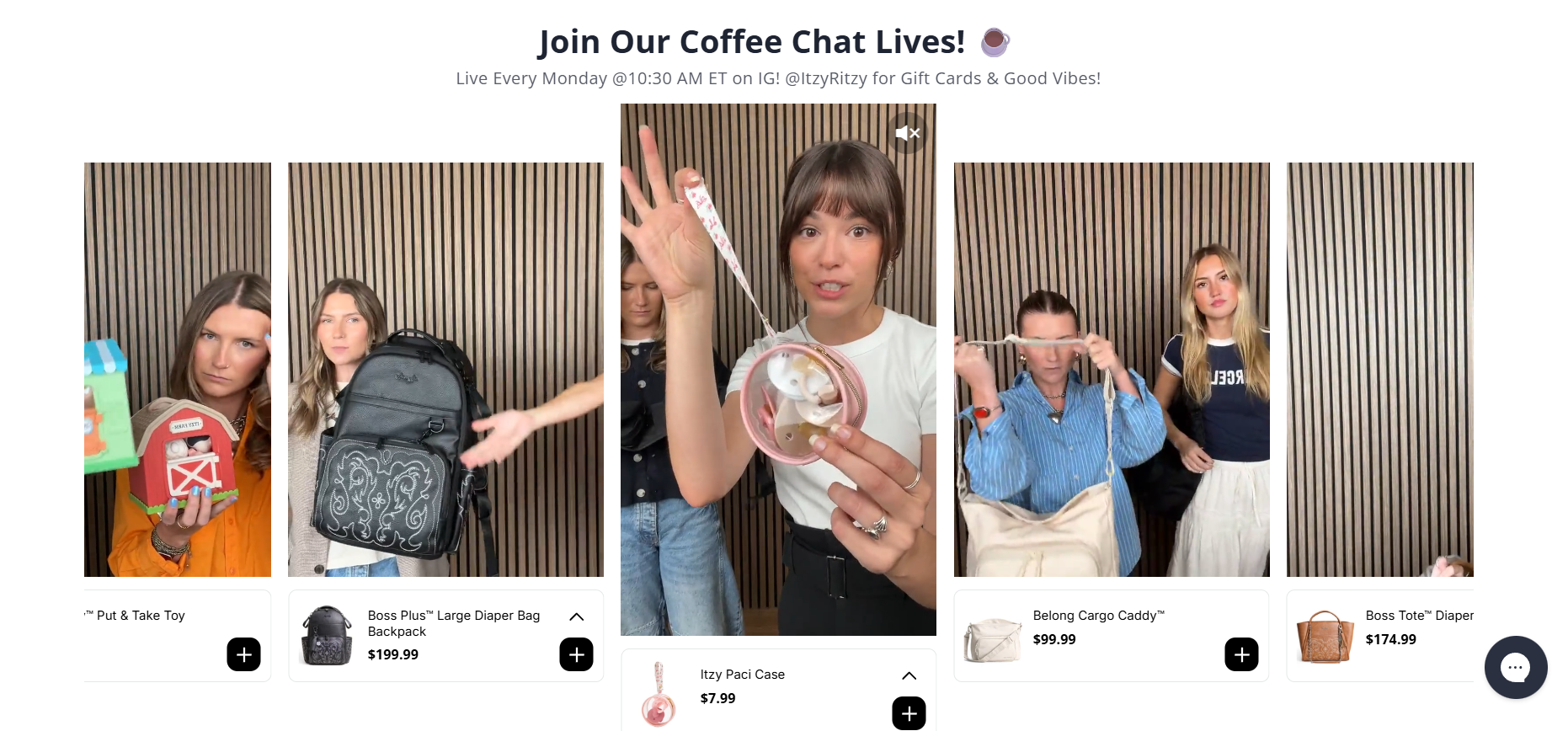
Itzy Ritzy coffee chats
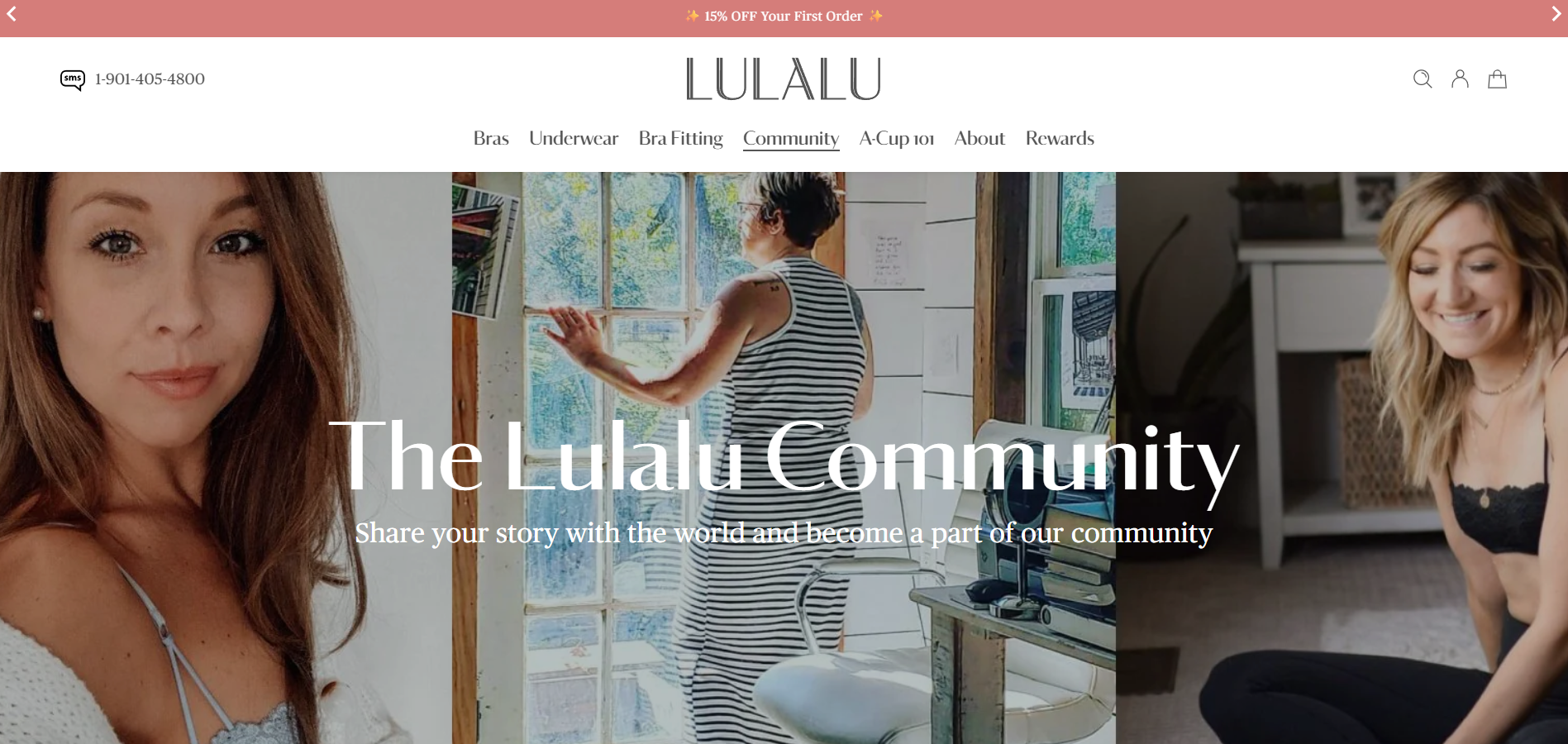
Lulalu community feature
Think about how much easier it is to advise a friend than to a stranger. That’s what community does for your brand. It turns “leads” into people who actually want to be in the room with you. When someone joins your community, they’re giving you permission to be part of their life. They’re not just there to be sold to. They’re there because they trust your perspective.
In a world where consumers are exhausted by endless choices, the brand that simplifies decision-making will always win. Community gives you the space to do that. It allows you to share products and services as a natural part of the conversation rather than a forced interruption.
At the end of the day, it’s about more than the product. It’s about the relationship that comes with it. When you have a community, you aren’t just a company; you now become a partner helping them find the clarity they’re looking for.
Proof of Work: Why Human Effort Builds Brand Trust
In a world where AI can generate “perfect” content instantly, effort has become a high-value trust signal. We’ve already explored how AI slop signals box-checking rather than care. When audiences sense low effort, they tune out. Ironically, the more polished something looks, the more people suspect no one actually put any heart into it.
This is why brands need to get comfortable showing the messy middle. It won’t be perfect, and that’s exactly why it works. Sharing your research, your process, and even your failures (especially your failures) shows the humanity behind the business.
Aesthetics are nice, but in 2026, a raw phone video that explains a solution or shows the work that goes into a product will beat a $10,000 commercial every time. One feels like a pitch while the other feels like a friend genuinely invested in helping you.
An Un-Marketing Checklist for Modern Brands
Do you want to make sure your marketing doesn’t look like obvious marketing? The best way to stay out of the "scroll past" zone is to audit your content before it ever hits the feed. It’s about catching the corporate habits before your audience does.

Does this content sound like a human talking to a friend, or a company talking to an audience segment?
If you removed the “Buy Now” button, would the content still be worth reading?
Could a competitor’s logo be swapped onto this without it feeling out of place?
Did you leave a "human stamp" on this that a bot couldn't replicate? A lesson from a client call, a unique industry take, or even an unscripted voice note. You want to include something that proves a real person actually sat down to think about this.
Does this post actually solve a problem or simplify a decision, or does it exist because the content calendar said it was time to post?
Running your content through these filters takes seconds, but it’s the difference between being ignored and being trusted.
The Future of Marketing Is Intentional
The brands that stand out in 2026 will be the most intentional ones. They’ll build community. They’ll show the people behind the brand. Marketing has spent too long trying to be the loudest interruption. In a world overwhelmed by AI slop and over-polished content, audiences aren’t looking for another pitch. They’re looking for a partner.
At Lush Consulting, we help brands bridge the gap between promotion and partnership.
Promotion is about transaction.
Partnership is about transformation.
Promotion asks for attention.
Partnership earns it by being genuinely useful.
Promotion follows a template.
Partnership follows a purpose.
Our goal is to strip away marketing that looks like marketing and uncover the human truth underneath. We don’t just help brands show up. We help them show up with visible effort, clarity, and the quirks that make them impossible to ignore. When brands stop acting like broadcasters and start acting like resources, they don’t just win customers. They build communities.
Ready to stop making ads and start making an impact?
If you’re ready to build a brand people actually trust, explore a strategy that sounds exactly like you with Lush Consulting.